
“Some members of the Bush administration have taken a cue from a classic John Wayne Western and are advising their boss to take the film’s advice – ‘Never apologize’ – when dealing with Muslims, reports geopolitical analyst Jack Wheeler.
“In a column on his intelligence website, To the Point, Wheeler explains Wayne’s ‘She Wore a Yellow Ribbon’, made in 1948, though lesser known than many of the star’s films, includes what’s been called one of the top 100 movie quotes of all time. Wayne’s character, Capt. Nathan Brittles, who is facing an Indian attack, advises a junior officer: ‘Never apologize, son. It’s a sign of weakness.’
“It’s that attitude that some employees of the Pentagon, State Department and White House are urging President Bush to take when dealing with charges of Quran desecration and other allegations from radical Muslims. They’ve even sent a DVD copy of the film to the commander in chief.”
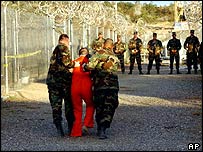 “What makes Amnesty’s gulag metaphor apt is that Guantánamo is merely one of a chain of shadowy detention camps that also includes Abu Ghraib in Iraq, the military prison at Bagram Air Base in Afghanistan and other, secret locations run by the intelligence agencies. Each has produced its own stories of abuse, torture and criminal homicide. These are not isolated incidents, but part of a tightly linked global detention system with no accountability in law. Prisoners have been transferred from camp to camp. So have commanding officers. And perhaps not coincidentally, so have specific methods of mistreatment.”
 Governor of Florida Jeb Bush was among those who sent greetings to the annual banquet of the Florida Chapter of the Council on American-Islamic Relations.
 Reuters reports: “The Arab TV channel Al Jazeera rejected on Saturday as unfounded Defense Secretary Donald Rumsfeld’s accusations that it was encouraging Islamic militant groups by airing beheadings of foreign hostages in Iraq. ‘Al Jazeera … has never at any time transmitted pictures of killings or beheadings and … any talk about this is absolutely unfounded,’ the television said in a statement.”
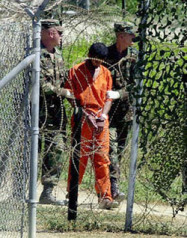 “Should the United States apologize? If there were mishandlings of the Koran, we should say so and express regret. And that should be in the context of our remarkably humane and tolerant treatment of the Guantanamo prisoners, and in the context of a global war on terrorism (for example, the campaign in Afghanistan) conducted with a discrimination and a concern for civilian safety rarely seen in the annals of warfare. Then we should get over it, stop whimpering and start defending ourselves.”