Liberal leader Philippe Couillard migrated from saying the Charter was unnecessary and would pass “over my dead body” all the way to stipulating what “must be included in the Charter” in order to “affirm [the] values of the host society.” (For some reason this includes a ban on public sector workers wearing niqabs and burkas because they cover the face, and chadors despite the fact they don’t.) Coalition Avenir Québec leader François Legault’s “moderate” compromise proposal would still ban teachers from wearing religious symbols. The hard-left Québec Solidaire is the acme of tolerance, drawing the line on such restrictions at judges and police officers — but it only has two MNAs and 8% support in the latest Léger Marketing poll, published Jan. 20. (After QS MNA Amir Khadir was recently photographed in discussion with Muslims wearing hijabs, the pro-labour, pro-sovereignty, pro-charter group SPQ Libre stridently accused him of cuddling up to fundamentalists.)
Chris Selley argues that even if the Parti Québécois gets its way and manages to impose the so-called secularism charter it may well face defiance over the actual implementation of the proposed bans. In the meantime, rival political parties of left and right have demonstrated a spineless failure to take a stand against the PQ on this issue.
 Stand up and be counted: Young British Muslims are voicing their dissent, and that’s a good thing
 Gerard Batten, the senior Ukip politician who
 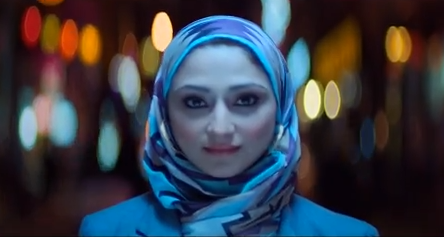 Coca Cola’s one-minute, multilingual Super Bowl ad was apparently a lot of things to many people. To some, it was an
 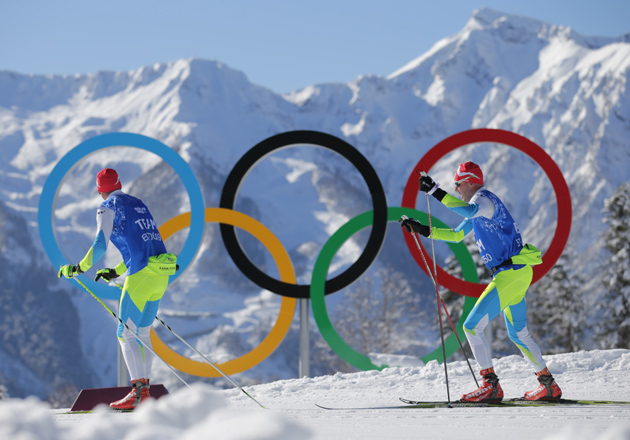 Russian president Vladimir Putin calls Sochi, site of February’s Winter Olympics, “the biggest construction site on the planet,” and for good reason.
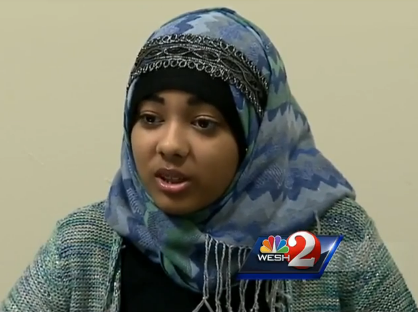 A Florida girl said she has been verbally and physically assaulted because she wears a hijab, or head scarf, to school.
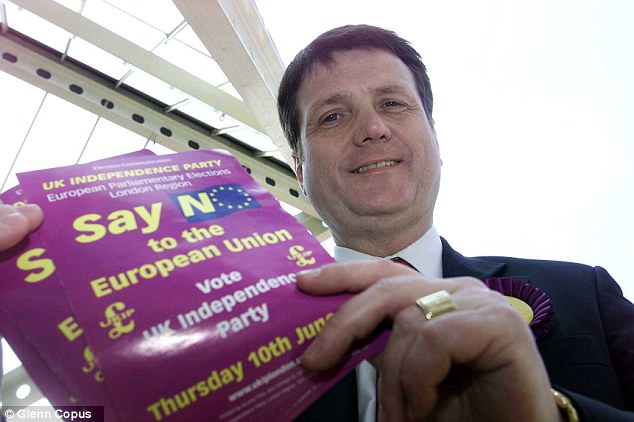 A Ukip MEP believes that British Muslims should sign a special code of conduct and warns that it was a big mistake for Europe to allow “an explosion of mosques across their land”.