Time’s up for submissions to the British government’s controversial review of the Muslim Brotherhood – though it is just a coincidence that the May 30 deadline comes just as Abdel-Fattah al-Sisi is confirmed as Egypt’s next president. Anyone who wanted to could send evidence (maximum 3,000 words) to the cabinet’s national security secretariat in Whitehall, which is coordinating the work being done by Sir John Jenkins, the UK ambassador to Saudi Arabia.
The terms of reference include “the philosophy, activities, impact and influence on UK national interests, at home and abroad, of the Muslim Brotherhood and of government policy towards the organisation.”
No other countries are mentioned but critics insist the “review” (inside suspicious inverted commas) is directly linked to events in Egypt, where Sisi’s election victory follows the army’s removal of the Brotherhood’s democratically-elected (but deeply unpopular) Mohamed Morsi in July 2013 – and the bloodshed and repression that followed. In an open letter published in the Guardian this week they warned of a “dangerous precedent” and fretted that it might “represent a risk to civil liberties and further erode human rights standards”.
Concerns persist that the review is the result of pressure from Saudi Arabia and the UAE, Arab oil monarchies which persecute Islamists and are hugely important markets and clients for the UK, and have been instrumental in backing and bankrolling Sisi’s crackdown in Egypt. The authorities in Cairo have of course been banging the drum as well.
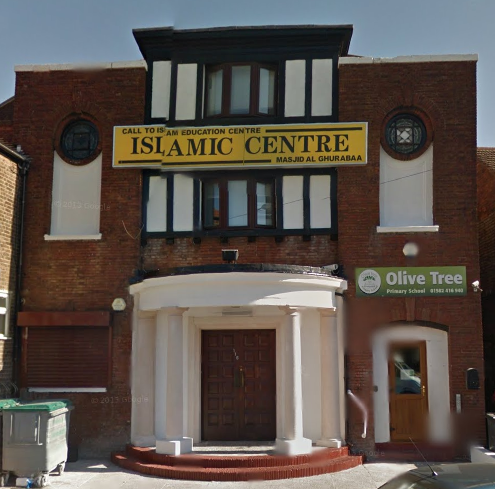 A Muslim school says it will seek legal action unless a new Ofsted inspection is carried out, after saying it was depicted it as a “hotbed of extremism”.
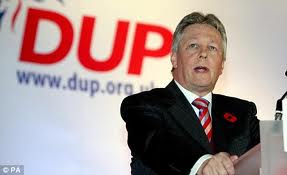 First Minister Peter Robinson has defended the evangelical pastor who is at the centre of a police investigation into a sermon which has been accused of amounting to a hate crime against Muslims.
 The Daily Mail and Telegraph have both run stories, originating in the
 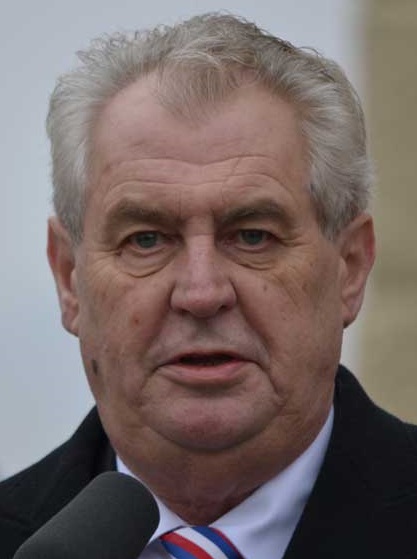 Islamic ideology rather than individual groups of religious fundamentalists is behind violent actions similar to the gun attack at the Jewish Museum in Brussels that killed four people, Czech President Miloš Zeman said Monday at the Israeli Embassy in Prague.