
The head of one of Venice’s most prestigious museums on Wednesday apologized to an Islamic woman who was asked to leave by a guard because she was wearing a head veil.
The episode, which sparked controversy in the Italian media and rows between centre-left and centre-right politicians, occurred last Sunday in Venice’s Ca’ Rezzonico museum, which houses 18th century Venetian art.
“I’m sorry for what happened and if she ever wants to return to our museum, she will be more than welcome,” director Filippo Pedrocco told Reuters by telephone from Venice. “She will be most welcome among all women,” he said.
The woman, who was visiting the famed museum with her husband and children, had already cleared security when she entered the building and had begun her visit. When she reached the second floor, a room guard told her she had to take off her “niqab”, a veil which leaves only the eyes visible, or leave.
“The room guard was over-zealous. He should not have done it. She already passed security and his only duty was to guarantee the safety of the artwork in his room,” Pedrocco said.
The woman was believed to have been part of a well-off family visiting Venice, one of Italy’s most expensive cities, from Saudi Arabia or a Gulf state.
She refused to take off her veil and left the building, which faces Venice’s Grand Canal and houses works by such 18th century Venetian masters as Giandomenico Tiepolo.
 Mosque developers this week denied breaking promises to keep neighbours abreast of the controversial project. Newham councillor Alan Craig, outspoken opponent of the proposals, had
  Italy’s Northern League, the populist, xenophobic, sometimes separatist movement that is a key component of Silvio Berlusconi’s governing coalition, has proposed new legislation which would in effect halt construction of new Islamic mosques.
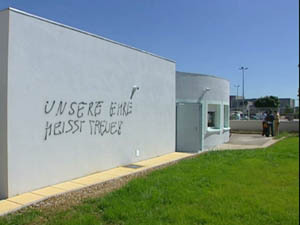 Nazi graffiti was
 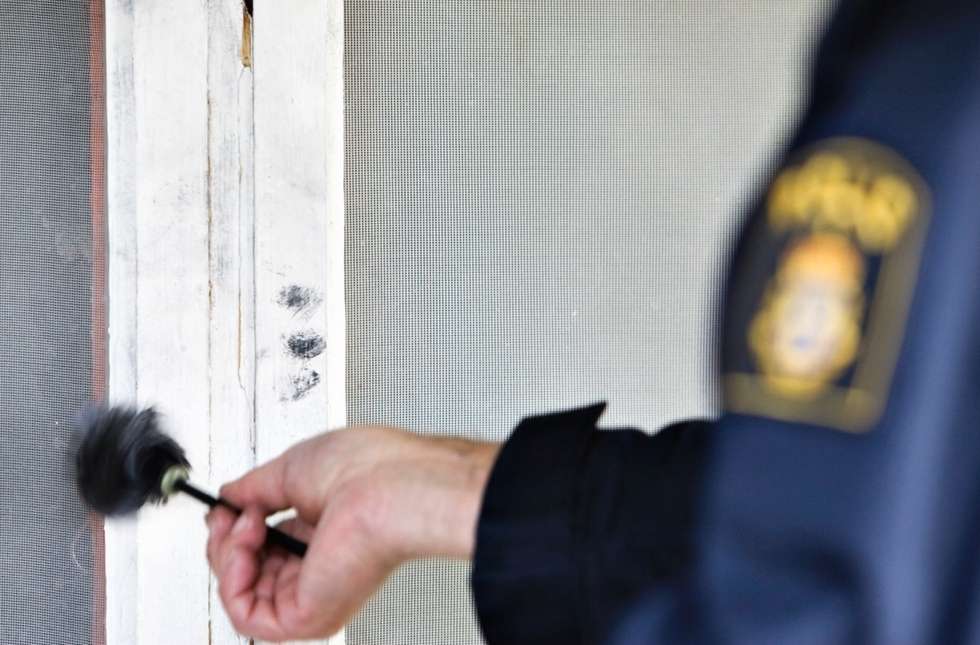 A man in his twenties has been arrested on suspicion of setting fire to a mosque in Strömsund, northern Sweden.
 MI5 participated in the unlawful interrogation of a British resident now held in Guantánamo Bay, the high court found yesterday in a judgment raising serious questions about the conduct of Britain’s security and intelligence agencies.